SOHAR Port, Oman: Which Indian Products Have Better Export Opportunities?
Can Indian exporters sell more products by using Oman as a business centre? Which products can benefit, and when is it better to export directly from India?
India and Oman have signed a new trade agreement. SOHAR Port & Freezone offers Indian companies a place to store, distribute and manufacture products.
But does every Indian exporter need a warehouse or factory in Oman?
No. The answer depends on the product, the buyer and the cost of supplying the order.
Quick Answer
Indian exporters of engineering parts, electrical components, medical supplies, plastics, packaging and textiles can explore business opportunities through SOHAR Port & Freezone in Oman.
SOHAR may offer an advantage when buyers need regular supplies, faster delivery or locally available stock.
Indian products | Main business opportunity |
|---|---|
Engineering parts | Supply spare parts to factories and maintenance companies |
Electrical components | Supply industrial buyers and distributors |
Medical supplies | Supply approved medical distributors and hospitals |
Plastics and packaging | Supply manufacturers and packaging companies |
Textiles and garments | Benefit from India–Oman CEPA tariff concessions |
Should Indian exporters open a warehouse in SOHAR?
Choose direct exports when buyers place confirmed orders for customised products or machinery.
Consider a warehouse when buyers need frequent deliveries and ready stock.
Consider manufacturing in Oman when confirmed demand and total operating costs support the investment.
The key decision: SOHAR is useful when it helps an exporter deliver products faster, reduce the total supply cost or increase profitable repeat orders. Exporters should compare these benefits with the cost of exporting directly from India.
Let us understand which Indian products may benefit from SOHAR and how exporters can make the right decision.
1. What is SOHAR Port & Freezone?
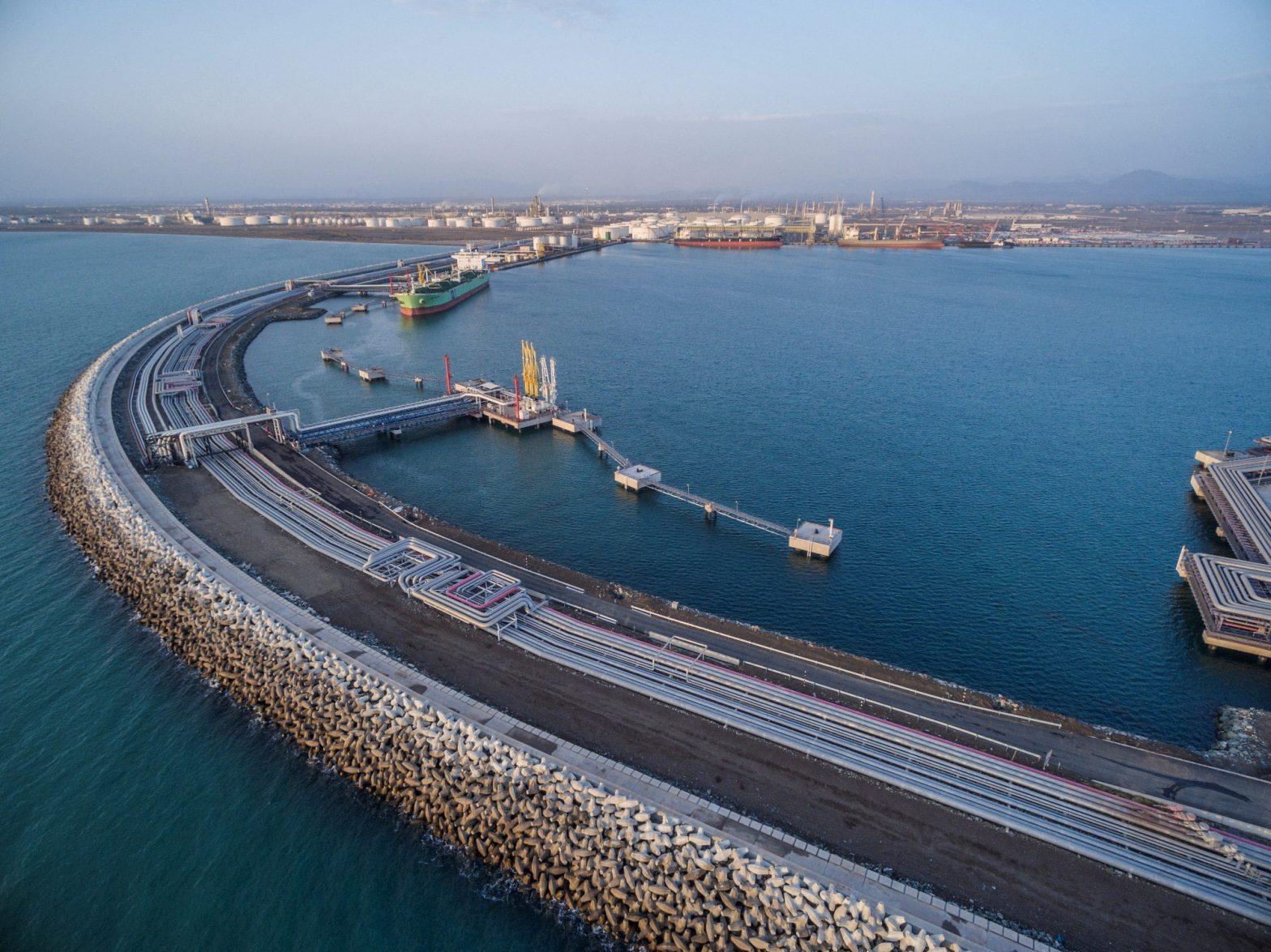
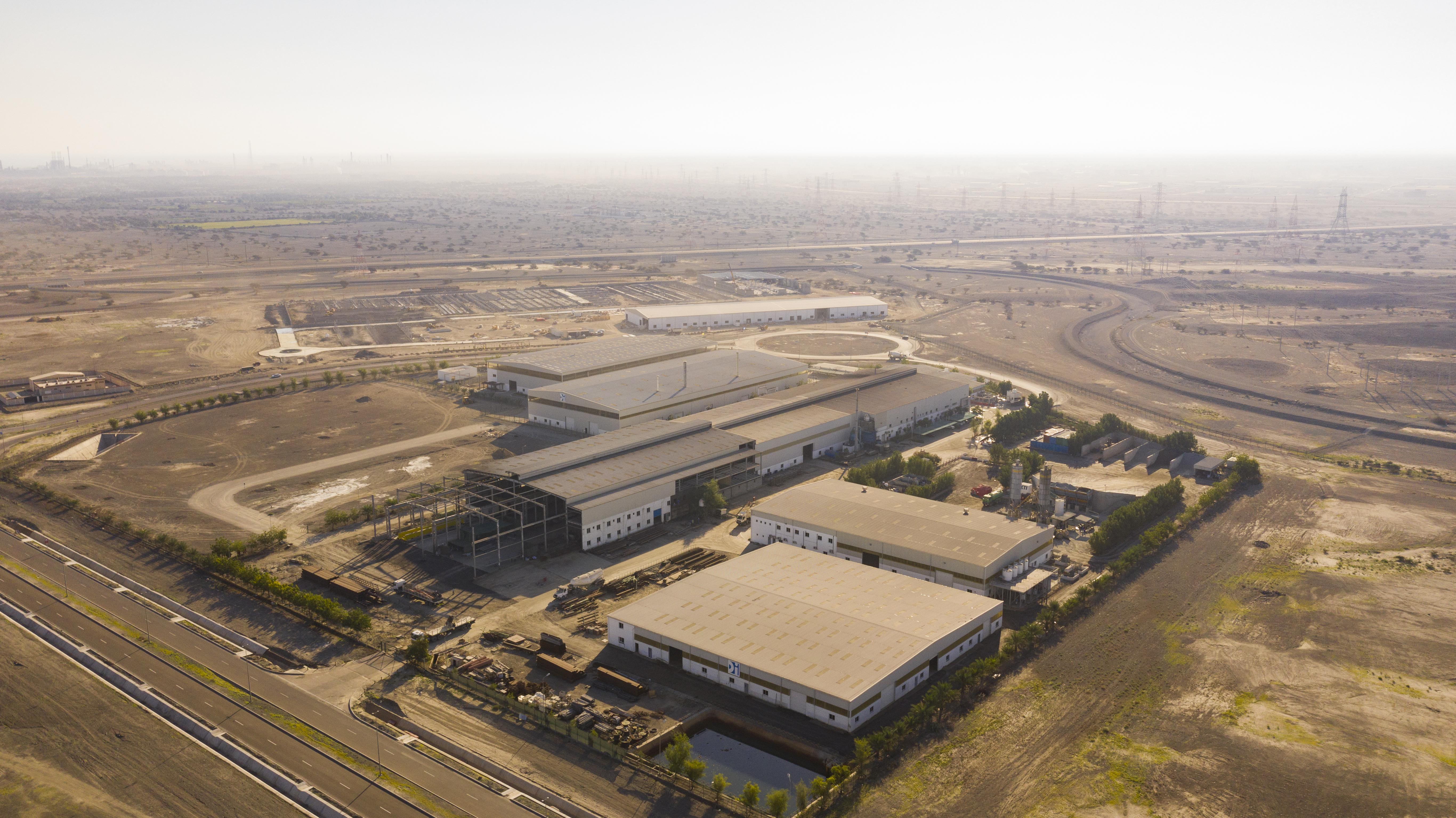
SOHAR is a large port and industrial area in Oman. Companies can use it for shipping, manufacturing, storing and distributing products.
SOHAR Freezone covers approximately 4,500 hectares and supports several industries, including metals, plastics, chemicals, food, pharmaceuticals and logistics.
Indian exporters can use SOHAR in three ways.
Business option | What it means | Suitable for |
|---|---|---|
Direct export | Make products in India and ship them to Oman | Exporters supplying confirmed orders |
Warehouse in SOHAR | Store Indian products in Oman and supply buyers when needed | Exporters receiving regular small orders |
Factory in SOHAR | Manufacture or process products in Oman | Companies with enough demand to support local production |
Simple answer: Indian exporters can sell to Oman without setting up a company or warehouse there.
2. Which Indian products can benefit from SOHAR?
Five product groups are worth studying first.
Indian products | Who may buy them? | How can SOHAR help? |
|---|---|---|
Industrial machinery spares | Factories, maintenance companies, machinery distributors | Keep replacement parts ready for quick delivery |
Electrical components | Electrical dealers, factories, contractors | Supply frequently required components |
Medical devices and consumables | Medical distributors, hospitals, laboratories | Support regular supply, subject to medical regulations |
Plastic products and packaging | Manufacturers, packaging companies | Supply factories with materials and components |
Textiles and garments | Importers, wholesalers, uniform suppliers | Use India–Oman trade benefits; local stock only when useful |
These are possible opportunities, not confirmed buyer orders.
3. Engineering products: Can SOHAR help Indian manufacturers get more orders?
Consider a manufacturer in Coimbatore supplying pump spares.
An Omani maintenance company needs 20 replacement parts immediately.
The Indian manufacturer can supply the products, but international shipping and customs clearance take time.
Now imagine the manufacturer already has these parts in a distributor's warehouse in Oman.
The buyer could receive the goods sooner.
Products worth studying:
Pump and valve spare parts
Bearings and mechanical seals
Precision-machined components
Standard pipe fittings
Industrial maintenance parts
Who are the buyers? Factories, industrial contractors, maintenance companies and machinery distributors.
When does SOHAR help? When buyers need the same products frequently and faster local delivery can increase sales.
When is direct export better? When machinery or fabricated components are made against a confirmed buyer order.
India exported approximately US$875.83 million in engineering goods to Oman during FY 2025–26, according to India's Ministry of Commerce.
This shows that engineering trade already exists, but individual buyer requirements still need research.
4. Electrical products: Which buyers should Indian exporters look for?
Oman imported approximately US$1.7 billion in electronic products in 2025.
Indian exporters can examine the demand for industrial electrical products.
Product | Possible buyer |
|---|---|
Electrical control panels | Industrial factories and contractors |
Switchgear | Electrical distributors and project companies |
Industrial sensors | Automation companies |
Cable accessories | Electrical wholesalers |
Electronic control components | Equipment manufacturers |
Where can SOHAR help?
A distributor supplying standard electrical parts to several customers may need regular stock.
But an electrical panel manufacturer producing customised panels against technical drawings may find direct shipment from India more suitable.
The real question is whether the buyer needs ready stock or made-to-order products.
5. Medical products: Is a warehouse in Oman useful?
Indian manufacturers export many types of medical and diagnostic products.
Products worth studying include:
Diagnostic test kits
Medical disposables
Blood collection tubes
Wound-care products
Laboratory consumables
Who can buy them?
Medical distributors, hospitals, diagnostic laboratories and healthcare institutions.
Where can SOHAR help?
A medical distributor supplying hospitals every week may benefit from locally available stock.
However, medical products may require registration, import licences, suitable storage and other approvals.
A warehouse in SOHAR does not automatically give permission to sell medical products throughout Oman or the GCC.
Best approach: Identify a suitable licensed distributor and confirm product approvals before deciding on storage arrangements.
6. Textiles: What is the new opportunity for Indian exporters?
The India–Oman Comprehensive Economic Partnership Agreement (CEPA) came into force on 1 June 2026.
Under this agreement, all 945 textile and apparel tariff lines received immediate duty-free access, subject to the applicable origin requirements.
Previously, these products generally faced a 5% import duty.
This creates a clear opportunity for eligible Indian textile and apparel exporters.
Product | Possible buyer |
|---|---|
Bed linen | Hotels and home-textile distributors |
Uniforms | Uniform suppliers and institutions |
Garments | Apparel importers and wholesalers |
Technical textiles | Industrial buyers |
Fabrics | Textile traders and garment manufacturers |
Does a textile exporter need SOHAR?
Not necessarily.
An Indian manufacturer supplying customised hotel linen to an Omani buyer can export directly from India.
A distributor selling standard products throughout the year may find local stock useful.
The new CEPA benefit does not require Indian exporters to establish a warehouse in Oman.
7. Can SOHAR help Indian exporters sell to other countries?
Yes, SOHAR can serve as a base for supplying other markets, provided the shipping costs, customs rules and buyer requirements make the arrangement worthwhile.
Some markets to study are:
Market | Possible use of SOHAR |
|---|---|
Oman | Sell directly to Omani buyers |
Saudi Arabia | Supply buyers through regional stock, where commercially suitable |
UAE | Supply distributors or industrial customers |
East Africa | Consolidate and distribute products to selected markets |
United States | Explore qualifying manufacturing under the Oman–US trade agreement |
Important: Sending Indian goods to SOHAR does not automatically make them duty-free in these countries.
Every destination has its own customs requirements.
For the United States, qualifying manufacturing operations in Oman may benefit from the Oman–US Free Trade Agreement. However, the products must meet the agreement's Rules of Origin.
Simply storing or repacking Indian products in Oman is not enough.
8. Is exporting directly from India cheaper than using SOHAR?
It can be. Let us compare both options.
Cost or requirement | Direct export from India | Export through SOHAR warehouse |
|---|---|---|
Manufacturing | In India | Usually in India |
Warehouse rent in Oman | Usually not needed | Required |
Stock investment | Based on orders and production | Additional stock may be needed |
International shipping | Ship to buyer | Ship first to SOHAR |
Local delivery | Depends on shipping and customs clearance | Can be faster when stock is available |
Customs and documentation | Based on destination | May involve additional procedures |
Main benefit | Lower overhead for made-to-order supply | Faster supply for regular orders |
Simple cost example
Assume an exporter spends an additional ₹12 lakh per year to maintain a SOHAR distribution arrangement.
Also assume that faster local supply generates an additional contribution of ₹150 per product sold, after deducting additional variable costs.
The calculation is:
₹12,00,000 ÷ ₹150 = 8,000 additional products
The exporter must generate the equivalent of 8,000 additional unit sales to cover that extra annual fixed cost.
This is only an example, not an actual SOHAR quotation.
Before investing, the exporter should calculate actual rent, handling, transport, insurance, stock financing and other expenses.
The main question: Will storing goods in Oman increase sales or improve margins enough to cover the additional cost?
9. Who should consider a warehouse in SOHAR?
Exporter situation | Suggested approach |
|---|---|
Receiving frequent small orders from Oman | Study local stock or a distributor |
Supplying standard spare parts to several GCC buyers | Compare regional warehousing costs |
Manufacturing customised machinery | Consider direct exports first |
Supplying products only once or twice a year | Direct exports may be simpler |
Supplying regularly used medical consumables | Study licensed local distribution |
Planning manufacturing for several markets | Compare SOHAR production costs with India |
Still searching for the first overseas buyer | Focus on finding and qualifying buyers first |
The main purpose of a warehouse should be to serve actual buyer demand.
A company should understand how much its customers buy, how often they order and how quickly they need delivery.
10. How can Indian exporters find buyers through SOHAR?
SOHAR has an industrial ecosystem that Indian exporters can study for possible customer and supplier relationships.
Start with these practical steps:
Select your exact product. For example, industrial mechanical seals rather than general engineering goods.
Identify possible buyers. Look for factories, industrial maintenance companies, importers and distributors that use the product.
Understand their requirements. Check product standards, quantities, purchasing frequency and delivery expectations.
Compare India and Oman supply costs. Calculate the delivered price through both routes.
Prepare your sales information. Include specifications, certifications, manufacturing capacity, prices and delivery terms.
Connect with suitable buyers. Contact the relevant purchasing or technical decision-makers and follow up with a clear business purpose.
This follows Consult Kriba's Reverse Sourcing Method, which focuses on preparing the product, market and commercial information before starting buyer conversations.
The purpose is to help exporters move from identifying suitable buyers to getting requirements, sending quotations, negotiating and closing export sales.
11. What should Indian exporters do next?
The India–Oman CEPA and SOHAR's industrial facilities create useful opportunities.
But the right decision depends on the exporter's present business.
If you already have customers in Oman, examine whether new tariff benefits can improve your price competitiveness.
If you supply products with frequent repeat demand, check whether an Omani distributor or local stock can improve delivery and sales.
If you manufacture customised products, compare direct export costs before considering an overseas warehouse.
If you are planning a factory in Oman, calculate the complete investment and operating cost and identify possible customers before committing funds.
SOHAR could become a useful part of an Indian manufacturer's international business. The strongest opportunities are those supported by real buyer requirements and clear commercial benefits.
The goal is not simply to have a presence in another country.
The goal is to find suitable buyers, supply them profitably and build repeat export sales.
Frequently Asked Questions
1. Can Indian exporters sell to Oman without opening a company there?
Yes. Indian businesses can export directly to eligible Omani buyers, subject to applicable rules.
2. Is Oman a good market for engineering products from India?
India already exports engineering goods to Oman. Opportunities depend on the specific product, specifications, buyer demand, price and competition.
3. Does SOHAR offer warehouses for Indian companies?
SOHAR has logistics and warehousing facilities. The availability, charges and eligibility of a specific arrangement must be confirmed with operators.
4. Can Indian exporters get zero import duty in Oman?
Many qualifying Indian products receive duty-free treatment under the India–Oman CEPA. The exact product classification, tariff schedule and origin conditions must be checked.
5. Is SOHAR better than direct exports from India?
SOHAR may be better for regular stock-based supply or suitable manufacturing operations. Direct exports may be better for customised products and confirmed orders.
Official sources
Government of India, Ministry of Commerce and Industry — India–Oman CEPA announcements and sector-wise market access: https://www.pib.gov.in/
SOHAR Port & Freezone — Official website: https://soharportandfreezone.om/
Public Authority for Special Economic Zones and Free Zones, Oman — https://opaz.gov.om/
US Department of Commerce — US–Oman Free Trade Agreement: https://www.trade.gov/us-oman-free-trade-agreement
About Consult Kriba
Consult Kriba helps Indian manufacturers and traders find suitable overseas buyers and close export sales using the Reverse Sourcing Method.
Want to Find Overseas Buyers and Increase Export Sales?
Finding a promising market like Oman is only the first step. The next step is identifying suitable buyers, understanding their requirements and converting enquiries into export orders.
Join Consult Kriba's Export Sales Process Workshop to understand how to:
Find suitable overseas buyers for your products.
Start meaningful buyer conversations.
Follow up and convert enquiries into export orders.
Learn how to build a better export sales process using Consult Kriba's Reverse Sourcing Method.
Register for the Export Sales Process Workshop:
https://consultkriba.com/exportsales
Website: https://www.consultkriba.com/
